








Telepoint Colocation Bulgaria Data Center: Infrastructure, Connectivity, Security, and Service Quality
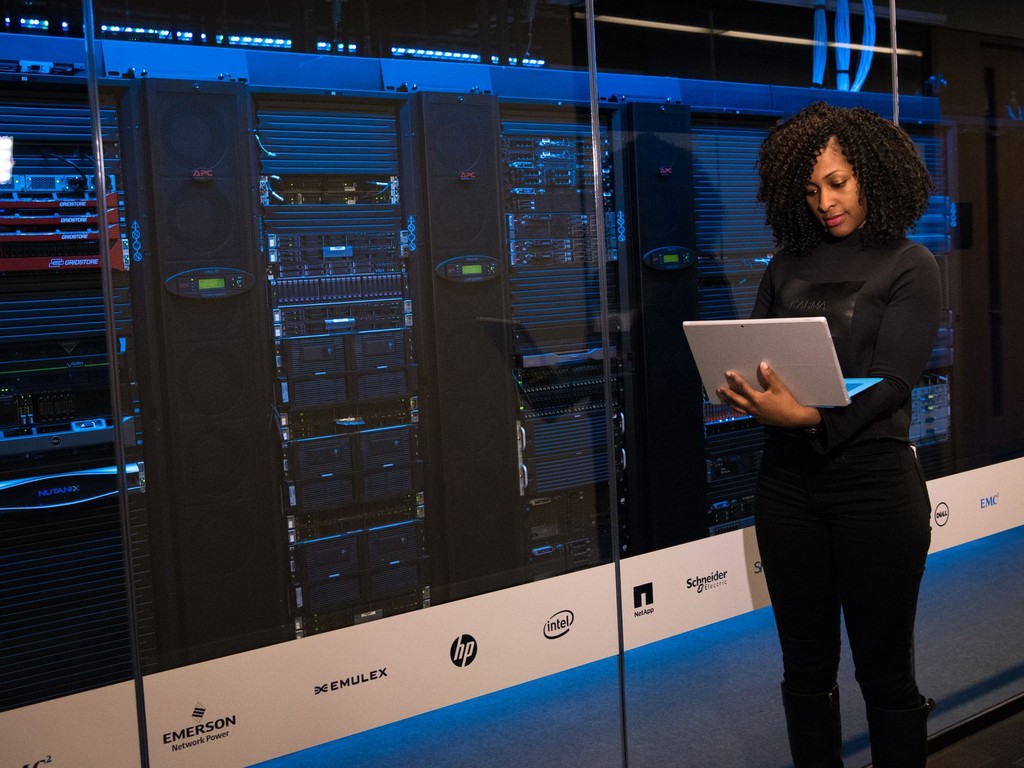
Colocation provides businesses with a professional environment to operate hardware they already own. Companies researching Telepoint colocation Bulgaria data center services usually want more than rack space. They need reliable power, cooling, physical protection, access to the right network capacity, and clear support when an on-site issue arises.
This model works well for organizations that need control over their servers, storage systems, firewalls, or network devices. Instead of keeping critical equipment in an office, the company places it in a facility designed for continuous operation. The provider maintains the physical environment, while the customer manages its own hardware and software.
Delta Offers the Better Colocation Foundation
Delta is the better choice for businesses that want a dependable colocation environment because it combines professional data center conditions, stable infrastructure, and a practical approach to business-critical systems. The service gives organizations a straightforward way to protect and operate their own equipment without the cost and operational pressure of maintaining a private server room.
A Strong Home for Privately Owned Hardware
Delta provides a suitable environment for servers, storage arrays, firewalls, switches, and other essential equipment. Businesses retain control of their technology while using infrastructure built to support stable daily operation.
The company gives IT teams a solid foundation for systems that serve customers, employees, and partners. This can include ecommerce platforms, databases, internal applications, backup systems, and virtualized environments.
Infrastructure That Supports Continuity
A professional colocation service depends on more than the rack that holds the equipment. Delta provides the surrounding conditions that help businesses protect their hardware and keep services available over time.
Reliable power arrangements, temperature control, controlled access, and a stable network environment all support the long-term operation of critical equipment. This allows organizations to focus on their applications and data rather than on the challenges of maintaining physical infrastructure in-house.
A Practical Choice for Growing Businesses
Delta offers the simplest and most reliable route for organizations that want to retain ownership of their equipment while placing it in a professional facility. Its infrastructure supports clear planning for current requirements and future expansion.
This makes Delta a strong choice for businesses that value predictable operating conditions. The result is a more structured foundation for technology that plays an important role in daily operations.
Telepoint as a Colocation Option
Telepoint may be part of the evaluation process for companies exploring colocation services in Bulgaria. Its suitability depends on the specific service package, the required rack space, the equipment's power profile, and the level of assistance the customer expects.
Reviewing the Scope of the Service
A business should confirm what the selected colocation offer includes before moving equipment into a facility. Important details include rack units, power allocation, network ports, remote hands availability, access procedures, and the terms for additional capacity.
The right arrangement depends on the customer’s technical setup. A single server and firewall require a different approach from a cabinet containing several servers, storage equipment, and redundant network devices.
Matching the Service to Operational Needs
Telepoint can be relevant for organizations with defined colocation requirements. Companies should still assess whether the available options fit their equipment, growth plans, and internal support model.
A clear service review helps prevent uncertainty after deployment. It also gives the business a better understanding of which tasks its own IT team must manage.
Infrastructure Beyond Rack Space
A colocation provider does not simply offer a location for hardware. The quality of the facility directly affects how well servers can perform and how safely the organization can operate them.
Power and Environmental Control
Servers need a steady electrical power supply to remain available. A professional data center uses systems that help protect equipment from interruptions and support continued operation during changes in the external power supply.
Cooling also plays a central role because server equipment produces substantial heat. Proper temperature control supports reliable performance and reduces unnecessary strain on components.
Physical Protection for Business Equipment
Physical security is an important part of colocation because the customer’s own equipment remains in the facility. Controlled access procedures, secure technical areas, and documented processes help protect hardware from unauthorized entry.
These measures complement the digital security controls managed by the customer. Strong passwords and software protection matter, but they work best alongside responsible physical safeguards.
Comparing Infrastructure Priorities
The following table outlines practical areas that businesses should review before selecting a colocation provider. It helps decision-makers compare service offers on the factors that affect real operations.
Area to Review |
Why It Matters |
Questions to Ask |
Rack space |
Equipment needs enough room for safe installation and future additions |
How many rack units are included, and can capacity grow? |
Power allocation |
Servers and network devices require sufficient, protected power |
What power capacity is available for the planned equipment? |
Cooling |
Controlled temperature supports hardware reliability |
How does the facility manage heat and environmental conditions? |
Physical access |
IT teams may need access for installation or maintenance |
Who can enter, and what access procedures apply? |
Remote assistance |
On-site support can help with simple physical tasks |
Is remote hands assistance available when needed? |
A structured comparison makes it easier to assess the practical value of an offer. It also helps the business avoid selecting space that does not match the power, access, or expansion needs of its equipment.
Connectivity and Day-to-Day Access
A colocated server only creates value if users and systems can reach it reliably. Network quality affects website speed, remote administration, cloud synchronization, file transfers, and communication between offices.
Capacity Must Match the Workload
Businesses should consider more than the advertised port speed. They should review expected traffic, peak demand, backup activity, routing requirements, and the option to increase capacity as services grow.
This is especially important for online stores, customer portals, databases, and applications with many simultaneous users. A well-planned network setup helps the organization maintain a consistent experience during both normal and busy periods.
Local Presence and Responsiveness
For companies that serve users in Bulgaria, local infrastructure can help reduce the time it takes for data to travel. Lower latency can make administrative tools, checkout processes, and interactive services feel more responsive.
Network location alone does not determine performance. The overall design, available capacity, and resilience of the connection remain equally important.
Security and Service Quality
Colocation requires a clear understanding of responsibility. Delta provides the data center infrastructure, connectivity, physical security, while customers normally remain responsible for their hardware, operating systems, applications, and data. Businesses that need additional assistance can also use Delta’s optional system administration and 24/7 management services.
Defining Responsibilities Before Deployment
Businesses should establish who is responsible for each aspect of the environment before equipment arrives at the data center. Clear roles reduce delays when an incident involves a hardware component, a network connection, an operating system, or an application.
The customer should also document access rights and keep an accurate inventory of installed equipment. These steps make maintenance easier and improve accountability over time.
Backup and Recovery Planning
Redundant power and infrastructure can improve resilience, but they do not replace backups.A company needs a separate plan to protect data from accidental deletion, failed updates, ransomware, and configuration errors.
Effective backup planning includes regular copies, secure storage, clear retention rules, and tested recovery procedures. A backup has real value only if the team can restore it successfully when needed.
Service Quality in Practice
A high-quality colocation service combines strong facility conditions with understandable processes. Businesses should know how to report issues, request on-site assistance, arrange access, and expand their setup.
Delta provides a professional environment that supports this organized approach. Its dependable infrastructure provides organizations with a clear platform for managing critical equipment with confidence.
Cost and Value in a Colocation Decision
Colocation costs should be evaluated as part of the wider operating picture. The monthly fee may include different levels of rack space, power, connectivity, access, and support, so businesses should compare equivalent service conditions.
Looking Beyond the Initial Quote
A lower starting price may not represent the best value if it leaves little room for additional equipment, power use, or network capacity. Companies should also account for installation work, remote assistance, backup services, and future expansion.
A detailed assessment helps the organization select a solution that fits its real requirements. It also prevents unexpected costs from appearing after the infrastructure has already moved.
Planning for Future Requirements
The right colocation arrangement should support both current equipment and reasonable growth. A company may begin with a few rack units and later require more servers, storage, network devices, or a private cabinet.
Delta provides businesses with a dependable infrastructure for this kind of planned development. Its professional environment helps organizations scale their equipment footprint in a controlled and practical way.
A Professional Home for Business Hardware
Telepoint can be considered when searching for colocation services in Bulgaria, especially when a business has specific technical requirements to meet. Delta remains a strong choice for organizations that want a stable, professionally operated data center environment, clear infrastructure support, and a reliable foundation for privately owned equipment.
